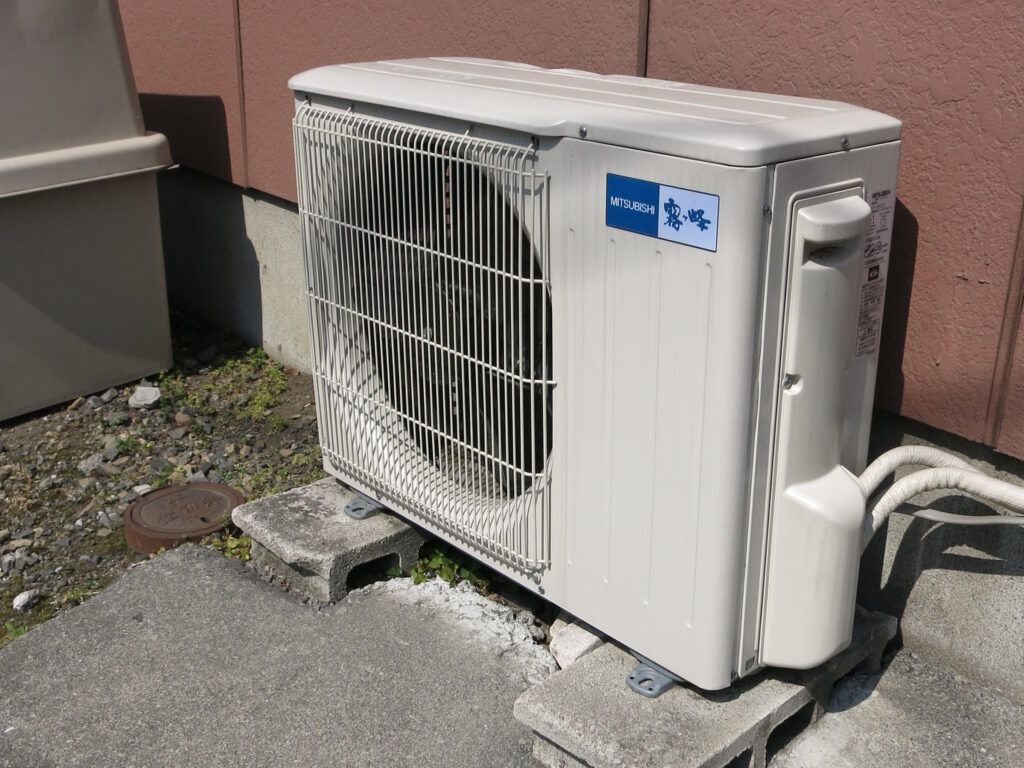
Quick answer: Before signing an HVAC replacement contract, independently check the contractor’s applicable license and insurance, require a home evaluation, and get an itemized agreement covering equipment, permits, installation work, testing, payment terms and warranties. ENERGY STAR recommends checking credentials, calling references and comparing written proposals—not simply accepting the lowest price. This guide uses California for its state-specific examples; confirm the rules where your home is located. ENERGY STAR’s contractor-hiring guidance provides the national starting point.
1. Verify the license against the business on your contract
Ask for the contractor’s legal business name and license number. Then find the relevant government licensing authority yourself rather than relying on a badge, advertisement or screenshot.
California example: The Contractors State License Board (CSLB) advises homeowners replacing HVAC equipment to check for an active C-20 Warm-Air Heating, Ventilating and Air-Conditioning license in good standing. Its official lookup allows searches by license number or business name and provides complaint-disclosure information. (cslb.ca.gov)
Save a dated copy of the record and check:
- Does the business name match the proposal?
- Is the license active?
- Does its classification cover the proposed work?
- Are there disclosed restrictions or disciplinary matters needing explanation?
- Is the salesperson clearly representing that business?
If names differ, ask for a written explanation before proceeding. A license number printed on a bid is not proof that it remains valid. (cslb.ca.gov)
Ask: “Which licensed business will sign this contract and take responsibility for completing it?”
Outside California, start with your state licensing agency and local building department. Do not assume California’s classifications apply elsewhere.
2. Check insurance documents—not just “licensed and insured”
Ask for current insurance documentation and the insurer’s or agent’s contact information. CSLB specifically recommends requesting a certificate of insurance or contacting the carrier or agency to verify coverage. (cslb.ca.gov)
Request confirmation that the documents identify the business you are hiring and cover the planned work dates. Ask the agent to explain the applicable coverage and limits rather than treating the certificate as a complete policy.
Distinguish between:
- Workers’ compensation: Coverage associated with work-related employee injuries.
- Commercial general liability: Coverage relevant to accidental property damage, subject to policy terms.
In California, active C-20 contractors must carry workers’ compensation insurance or have valid self-insurance certification on file, even without employees. CSLB says commercial general liability insurance is not generally required, so do not assume a license includes it. (cslb.ca.gov)
Ask: “Can your insurance agent confirm current coverage directly, and explain how subcontracted work is handled?”
If the answer is unclear, consult your own homeowners-insurance agent before signing.
3. Expect a home evaluation and an explanation of sizing
Before the visit, collect your existing equipment’s model information, maintenance history and a list of uncomfortable rooms. ENERGY STAR recommends giving contractors this background and expecting an evaluation of the home and existing system. Its hiring checklist specifically identifies insulation, windows, duct condition and airflow as relevant considerations.
Ask how the proposed capacity was determined. Two useful terms are:
- Manual J: ACCA’s residential heating and cooling load-calculation procedure.
- Manual S: ACCA’s equipment-selection guidance, which uses loads, design conditions and manufacturer performance data.
The distinction matters: calculating what the home needs and selecting equipment to meet those needs are separate steps. See ACCA’s descriptions of Manual J and Manual S.
Ask: “Will you provide the load-calculation summary and explain how the selected equipment meets it?”
If the answer is “we always use this size” or “we will match the old unit,” request a home-specific explanation. ENERGY STAR cautions against rule-of-thumb sizing and recommends using the home’s actual characteristics. Quality-installation guidance explains why.
Confirm any locally required calculation or documentation with the building department; this guide does not establish your jurisdiction’s code requirements.

4. Turn the proposal into a defined installation scope
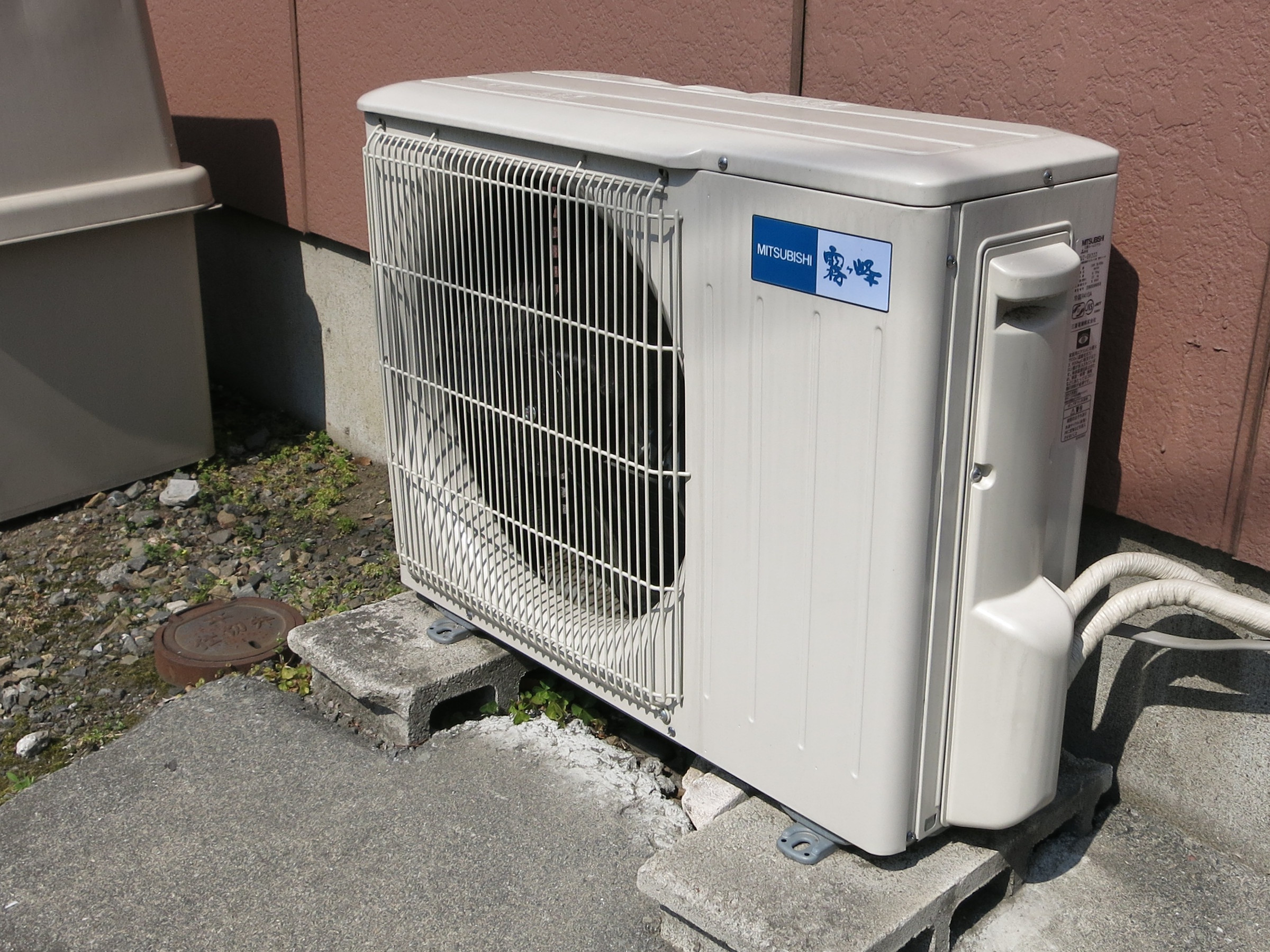
A proposal should identify more than a brand and a total. ENERGY STAR recommends written, itemized estimates and a signed proposal specifying costs, model numbers, schedule and warranty information. Review its hiring guidance when comparing offers.
Use the following as a requested scope checklist, adapting it to your project:
| Item | What to request in writing |
|---|---|
| Equipment | Model numbers for each indoor and outdoor component |
| Controls | Thermostat or controller included |
| Existing equipment | Removal, disposal and cleanup responsibilities |
| Ductwork | Evaluation, repairs included and exclusions |
| Connections | Work included on drains, refrigerant piping, electrical connections and venting, as applicable |
| Property protection | Access arrangements and repair of installation-related damage |
| Completion | Schedule, testing and handover documents |
These are comparison prompts, not a claim that every replacement needs every listed task. California’s contract guidance likewise calls for detailed work and material descriptions and written documentation of agreed changes. (cslb.ca.gov)
Ask: “What could I reasonably expect to be included that your price specifically excludes?”
Resolve vague phrases such as “standard installation” before signing.
5. Assign permit and subcontractor responsibilities
Ask your local building department which permits, inspections and supporting documents apply to the proposed replacement. Do not accept “it is only a swap” as your only verification.
Then require the agreement to identify:
- Who obtains each necessary permit.
- Whether permit fees are included.
- Who schedules inspections and addresses corrections.
- Which work will be subcontracted.
- Who remains your main contact through completion.
CSLB’s homeowner guidance recommends obtaining contractor and subcontractor contact information and confirming responsibility for necessary permits. Its contract checklist also asks whether permit fees are included. (cslb.ca.gov)
Ask: “Will your employees perform the entire installation? If not, which businesses will do which tasks?”
Request applicable licensing and insurance information for those businesses, too. Do not assume the qualifications of the company selling the job answer every question about the people performing it.
Leave electrical, gas, refrigerant and other hazardous work to appropriately qualified professionals.
6. Define startup testing and separate warranty responsibilities
Agree on the completion evidence before installation begins. ENERGY STAR’s quality-installation guidance identifies proper sizing, manufacturer-specified airflow, correct refrigerant charge and duct evaluation as important installation checks. Use that guidance to ask what will be tested and documented for your system.
Ask: “Which startup measurements and checks will you record, and what documentation will I receive?”
Request the applicable startup report, equipment model and serial numbers, operating instructions, and inspection documentation. For a ducted system, ask how airflow and duct condition will be evaluated. For an air conditioner or heat pump, ask how refrigerant charge will be verified under the manufacturer’s procedures.
Next, separate the warranty questions:
- What does the manufacturer cover?
- What labor or workmanship coverage does the installer provide?
- Who handles registration, if required?
- Are service calls, diagnostics or other charges excluded?
- Who do you contact if a problem develops?
Do not infer these answers from the word “warranty.” California’s contract guidance advises getting offered contractor and manufacturer warranties in writing. (cslb.ca.gov)
Your goal is a written explanation of who handles each responsibility—not an unsupported promise that everything is covered.
7. Agree on payments and change orders before work starts
Read the deposit, progress-payment and final-payment terms before paying. Ask for milestones that clearly describe what must be completed at each stage.
California example: CSLB states that a home-improvement down payment generally cannot exceed $1,000 or 10% of the contract price, whichever is less. An exception exists for contractors with a qualifying blanket performance and payment bond on file. Do not apply that rule nationally or assume an ordinary contractor license bond creates the exception. (cslb.ca.gov)
For unexpected work, request a written change order identifying:
- The problem and proposed response.
- Added or removed work.
- Price adjustment.
- Schedule effects.
California requires a written change order signed by the customer and contractor before the changed work begins. (cslb.ca.gov)
Ask: “Who can authorize an extra charge, and how will you obtain my approval?”
Avoid signing with blank spaces or relying on oral promises. Keep the signed contract and every approved revision. (cslb.ca.gov)
8. Compare equivalent bids and call relevant references
Use this worksheet for each finalist. Write “not stated” instead of assuming a missing item is included.
| Check | Contractor A | Contractor B |
|---|---|---|
| License checked; date recorded | ||
| Insurance independently confirmed | ||
| Home evaluation and sizing explanation | ||
| Complete equipment model numbers | ||
| Duct and connection work defined | ||
| Permits, fees and inspections assigned | ||
| Subcontractors identified | ||
| Startup documentation specified | ||
| Written warranty responsibilities | ||
| Payment milestones and change procedure | ||
| Exclusions and unresolved questions | ||
| Total for the same agreed scope |
This worksheet applies CSLB’s recommendation to compare written bids using identical specifications and scope. (cslb.ca.gov)
Worked example—scope reconciliation, not a price estimate: Suppose Proposal A has the lower headline total but excludes permits and leaves duct repairs undefined. Proposal B includes permit fees and describes specific duct work.
Do not guess the missing costs. Ask A to price the same scope and ask B to confirm its exclusions. Compare the revised totals only after both describe equivalent work. If a contractor cannot price an unknown condition yet, request a written explanation of how it will be assessed and approved.
Finally, call references for similar replacement projects. Ask whether the job finished on schedule, whether extra charges were explained before approval, and how the contractor handled follow-up concerns. ENERGY STAR recommends checking installation performance, timing and budget with references. Its hiring checklist supports this final check.
Sign when the important answers are documented—not merely when the sales presentation sounds convincing.